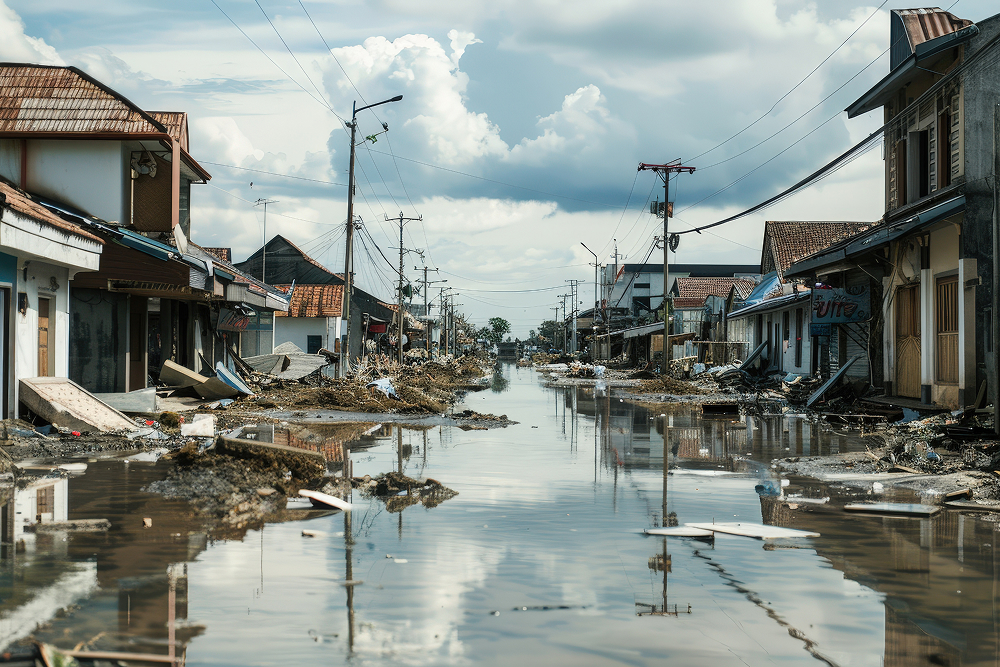
What to Do After a Natural Disaster: A Step-by-Step Guide
What to Do After a Natural Disaster: A Step-by-Step Guide
When a natural disaster strikes, the aftermath can feel overwhelming. Between ensuring your family’s safety, assessing property damage, and beginning the recovery process, it’s easy to feel unsure of where to start. At AMF Claim Consultants, we help property owners navigate this stressful time by guiding them through each step of the insurance claims process for storm and hurricane damage.
Here’s a breakdown of what to do immediately after a disaster impacts your home or business:
Step 1: Prioritize Safety
The first and most important step is protecting yourself and your loved ones.
Check for injuries and call emergency services if needed.
Avoid hazards such as downed power lines, gas leaks, unstable structures, and floodwaters.
Follow local authorities’ guidance on evacuations or re-entry to affected areas.
Your safety always comes before concerns about property damage from a natural disaster.
Step 2: Secure Your Property (If Safe!)
Once conditions are stable and it’s safe to return:
Prevent further damage by covering broken windows, tarping roofs, and shutting off utilities if necessary.
Do not attempt major repairs until after inspections and insurance claim documentation.
Keep receipts for any temporary repairs; your homeowners’ insurance claim may reimburse these costs.
Step 3: Document the Damage
Accurate documentation is critical to a successful property insurance claim.
- Take photos and videos of all hurricane, storm, or flood damage, inside and out, before moving or discarding items.
- Make a list of damaged property, noting approximate value and purchase dates if available.
- Save any receipts or records related to your home, personal belongings, or business operations.
This information helps support your storm insurance claim and ensures you receive fair compensation.
Step 4: Contact Your Insurance Company
Notify your insurance provider as soon as possible. Be ready to provide:
- Your policy number
- Date and type of disaster (hurricane, flood, windstorm, etc.)
- A summary of damages
It’s important to understand your policy coverage, exclusions, and deductibles. Insurance companies may send adjusters quickly, but remember—they represent the insurer’s interests, not yours.
Step 5: Consult a Public Adjuster
This is where AMF Claim Consultants can step in. As licensed public adjusters, we represent you, the policyholder, to ensure your claim is handled properly and fairly. We:
- Review your insurance policy in detail
- Accurately assess the full scope of storm or hurricane damage
- Prepare and file all insurance claim documentation
- Negotiate directly with your insurance company on your behalf
Having a knowledgeable advocate can make a significant difference in the settlement you receive, especially after widespread hurricane or storm damage.
Step 6: Keep Organized Records
Throughout the recovery process, maintain a dedicated file with:
- Insurance correspondence
- Claim forms and supporting documents
- Contractor estimates and receipts
- Notes from conversations with adjusters or representatives
Good recordkeeping speeds up the process and strengthens your hurricane damage claim.
Step 7: Begin the Recovery Process
After your claim is filed and approved, you can start rebuilding. Work with trusted contractors, keep detailed invoices, and ensure all repairs are completed to your satisfaction.
Frequently Asked Questions
Should I make temporary repairs before filing a claim?
Yes, but only if they are necessary to prevent further damage (such as boarding up windows or tarping a roof). Keep all receipts. Your insurance claim for storm damage may cover these costs. Avoid permanent repairs until the claim process begins.
How quickly should I contact my insurance company after a disaster?
As soon as it’s safe. Prompt notification helps move your hurricane or flood insurance claim forward faster and avoids delays.
Why do I need a public adjuster if my insurance company sends their own adjuster?
Insurance company adjusters protect the insurer’s bottom line. A public adjuster, like AMF Claim Consultants, works exclusively for you, ensuring your damages are properly documented and that you receive the maximum settlement possible.
What records should I keep during the claims process?
Keep a file with photos, videos, receipts, repair invoices, contractor estimates, and all communications with your insurer. This strengthens your property damage insurance claim.
What if my insurance company denies or underpays my claim?
You don’t have to accept their first offer. Public adjusters can reopen and negotiate claims, helping you secure the compensation you’re entitled to under your policy.
Final Thoughts
Recovering from a natural disaster is never easy, but having a clear plan helps ease the stress. By prioritizing safety, documenting damage, and partnering with experts like AMF Claim Consultants, you can protect your rights and secure the compensation you need to rebuild.
If your property has been damaged by a hurricane, flood, windstorm, or other disaster, don’t face the claims process alone. Contact AMF Claim Consultants today to put our expertise to work for you.